The hard part isn’t the AI. It’s the pedagogy layer.

Four days of back-to-back conversations at the ASU+GSV Summit, and one thread kept surfacing: the hard part of edtech right now isn’t the AI or the content. It’s the pedagogy layer — and supporting teachers through implementation to actual learner outcomes. That’s where the real work is.
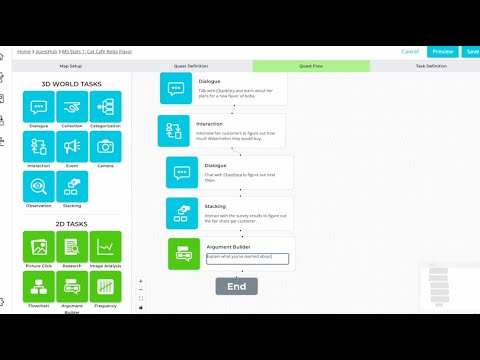
Two sessions stood out. MIRANDA (Mark Ollila, Elina Ollila, Kenneth Jones) showed how AI can assess open-ended learning inside gameplay — not multiple choice bolted onto a game, but assessment of the play itself. And Pearson’s immersive team (Meredith Reeve, Kaylee Seely) shared a rubric they’re developing to evaluate immersive and game-based experiences. It mapped almost exactly onto how Immersed Games is thinking about use cases in the Tyto authoring tool, and onto the rubrics the team is building to train an AI Codesigner that evaluates and guides learning design. The best kind of collision.
The encouraging part: the AI conversation is elevating from “don’t get left behind” panic into pedagogical use cases and real impact. That’s the shift the field needs.